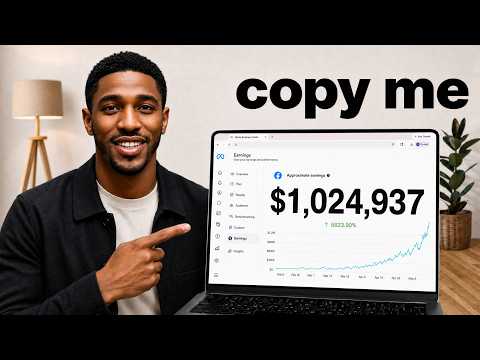
I Used This Strategy To 20x My Facebook Content Monetization Earnings
Published
Should I watch this?
Skip to the real contentYour full summary is ready below. Read on while we finish your watch recommendation.
Your summary is ready. The watch recommendation is next.
Worth watchingSkim
Skim for image-first format testing, repurposing successful topics, and the suggested daily content mix; repeated audience-building advice and guide pitches dilute the payoff, and the transcript never demonstrates the promised 20x earnings increase.
The main answer
The main advice is to increase Facebook earnings by learning what your audience responds to, testing multiple formats, and repurposing successful topics with genuinely original commentary. The creator says images—especially text presented as images—currently earn more than Reels on his and Jeff Rose’s pages. He argues that Jeff’s claimed $52,000 month reflects more than a finance niche: an established reputation, personal identity, audience demographics, frequent posting, and repeated testing all matter. Don’t switch niches just for higher payouts; build credibility in something you actually know. These are anecdotal strategies, not proof that copying their posting schedule will produce comparable earnings.
Key takeaways
- Test images, Reels, text posts, and Stories against your own results. The format that works for their audiences may not work for yours.
- Repurpose winning topics across formats rather than continually inventing new subjects or repeating identical posts.
- Research successful content on Facebook, Instagram, X, and Reddit, then contribute your own experience and perspective. Adding branding or generating a different image does not automatically establish originality or resolve copyright concerns.
- Credibility and audience fit are central: Jeff’s financial-planning background and established blog distinguish him from a generic finance page.
- The creator recommends high posting volume and suggests a 15-post mix of timely topics, historically successful topics, and repurposed winners. He does not demonstrate that this volume is necessary or sustainable.
- Revenue figures, payout explanations, Story-monetization rules, and claims about saturation are not independently verified here. Eligibility, costs, workload, and typical outcomes receive little attention.
- The creator acknowledges that his Story strategy is still experimental, but presents some other platform claims more confidently than the evidence shown warrants.
Summary
The video uses Jeff Rose’s claimed Facebook earnings as a case study for audience-driven monetization. Its useful core is to develop a recognizable voice, test formats, broaden topics without abandoning your niche, and repeat what performs well. The creator credits a consultation with Jeff for helping him prioritize images and expand his faith-based commentary. Motivational claims and sales pitches surround that advice.
What’s being promoted?
The clearest promotion is the creator’s own guide, repeatedly linked in the description. It offers a step-by-step workflow and image-generation prompts for ChatGPT, with promises to save months of trial and error and accelerate earnings. The transcript does not disclose its price, whether the link leads to a purchase or signup, or evidence of customer results. The sales structure is visible: a large earnings headline attracts attention; friendship with Jeff and a paid consultation establish credibility; references to information overload create a problem; the guide is presented as the shortcut. Repeated requests to watch until the end, rewatch, and click another video also support channel engagement. References to clients suggest a broader coaching business, although no specific consulting offer is made here. Jeff and Good Financial Sense receive favorable exposure. The creator discloses friendship and having paid Jeff for advice, but there is no evidence that Jeff paid for this video or that an affiliate arrangement exists. ChatGPT is a workflow tool here, not a disclosed sponsor. An additional agenda appears to be converting viewers into customers and reinforcing the creator’s authority. His religious story also supports audience positioning, but the transcript does not establish a covert religious or political campaign. His advice may still be useful; the commercial incentives and unverified income claims warrant caution.